
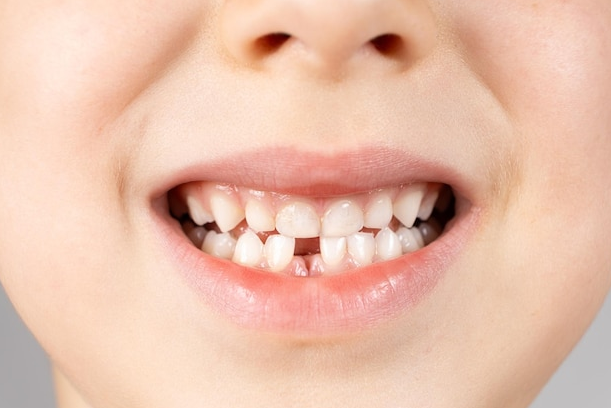
A tooth that is missing was either never developed (tooth agenesis) or was lost, affecting chewing, speech, and appearance, often resulting from genetics or trauma, with options for treatment including implants or bridges. The medical term for fewer than six congenitally missing teeth Sunset Hills MO is hypodontia, whereas anodontia is the total absence; common missing adult teeth include wisdom teeth, second premolars, and upper lateral incisors.
Effects of Tooth Loss
According to a review, CMT more frequently affects the permanent teeth than the baby teeth. According to the American College of Prosthodontists, frequently absent permanent teeth consist of one or more of the four wisdom teeth, the upper lateral incisors, and the second premolars.
Losing teeth can impact your capacity for mastication and your self-assurance in your smile. Missing teeth Sunset Hills MO can also cause functional issues, as adjacent teeth may move into the gap and alter the alignment of the teeth when they come together. In the end, hypodontia can result in difficulties with speaking, gum damage and inadequate bone development.
Options for Replacing Missing Teeth
Visits to a dental professional during early childhood are crucial for numerous significant reasons. Early practice of preventive dental care will benefit the long-term oral health of your child's teeth. Preventive dental X-rays at these visits are also very important, as they can frequently identify any missing teeth Sunset Hills MO. Using these X-rays, your dentist will then assess the mouth, diagnose any missing teeth, and assist you and your child in planning for suitable tooth replacement.
If one or more teeth are missing, your dentist is likely to suggest replacement alternatives, including removable partial dentures, fixed bridges, or dental implants. Orthodontic treatment can also be utilized to close spaces between teeth, as stated in the DRJ review.
You can collaborate with your dental team to develop a practical and visually pleasing solution to give your child a complete smile, especially if they were born with fewer than the usual number of teeth or are missing some adult teeth.
Hypodontia
Hypodontia is caused by a combination of genetic factors and environmental factors, including trauma and infection. This condition is the most common craniofacial malformation found in humans, with a prevalence of 1.6% to 6.9%, which varies according to the population being studied.
Different Terms used to Describe forms of Hypodontia.
A congenital condition known as Congenitally Missing Teeth (CMT) occurs when the tooth buds fail to properly develop within the gums of an unborn child.
Tooth developmental failure, or tooth agenesis, occurs when teeth fail to develop.
Oligodontia: the condition where six or more teeth are congenitally absent.
The condition known as anodontia is characterized by the complete absence of teeth.