
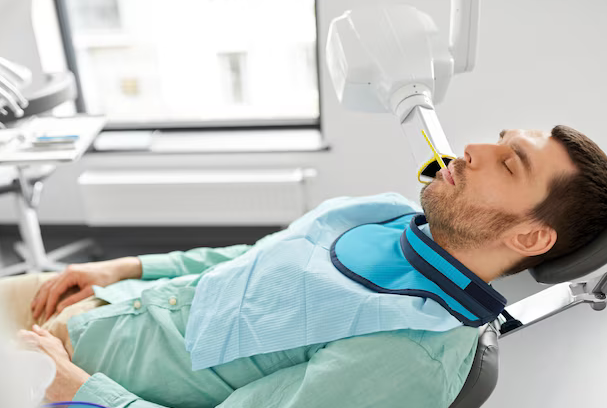
Dentists use sedation dentistry Louisville KY to administer medication that enables patients to relax, feel calm, and alleviate pain while undergoing dental treatments, usually allowing them to remain awake but deeply at ease. This device is especially suitable for individuals who suffer from dental phobia, severe anxiety, a low pain threshold, or a pronounced gag reflex.
Methods of Sedation
Laughing Gas Anesthesia
Dentists frequently employ laughing gas, which is also referred to as nitrous oxide, to administer minimal sedation to patients undergoing dental treatments. This gentle sedation enables patients to relax and feel more at ease during treatment. The medication is delivered through a mask that is fitted over your nose. It may not induce sleep but can provide significant relief from dental anxiety, even for people with a pronounced gag reflex.
Oral Conscious Sedation
Taking sedation dentistry Louisville KY orally can help make dental appointments less stressful. This type of sedation can vary from minimal to moderate, so you'll stay conscious yet relaxed during dental treatment. For procedures ranging from dental implants to a routine cleaning, oral sedation may be a suitable alternative.
Intravenous (IV) Anesthesia
The method involves sedatives being given directly into the bloodstream, which produces a rapid and highly controllable outcome. This type of deep sedation causes a deep relaxation state where you are likely to be bothered very little, if at all, by the events taking place around you. It is particularly beneficial for more complex treatments or individuals with a heightened gag sensitivity.
General Anesthesia
Deep general anesthesia is administered for patients who need to be completely unconscious during dental operations. Extensive dental work, complex surgeries, and cases involving extreme dental anxiety or special needs are typically the primary reasons for its use. In common with other surgical procedures, a combination of inhaled anesthetics and intravenous medications is employed.
This guarantees that you are fully unconscious and experience no discomfort at any point during the procedure. Typically, a qualified anesthesiologist needs to be present to administer and oversee the patient's care throughout the procedure.