
Losing one tooth can affect much more than appearance. A missing tooth may change how you chew, influence neighboring teeth, and make you feel less confident when speaking or smiling. A dental implant can provide a stable way to replace a single missing tooth while preserving the surrounding structure. For people researching single tooth implant Asheville NC, understanding the implant process, benefits, healing period, and long-term care can make the decision easier to approach.
What Is a Single Tooth Implant?
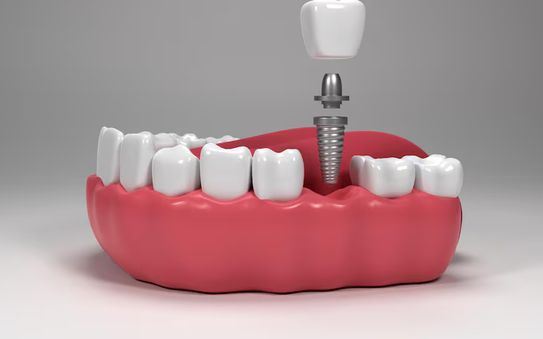
A single-tooth implant replaces the root portion of a missing tooth with a small implant fixture placed in the jawbone. After the implant heals, an abutment connects it to a custom dental crown. Together, these components create a replacement designed to look and function much like a natural tooth. Unlike a traditional bridge, an implant does not require neighboring healthy teeth to be reshaped for support.
Why Replace a Missing Tooth?
A gap can make chewing less comfortable and may allow nearby teeth to shift gradually into the empty space. Changes in the bite can sometimes place additional stress on remaining teeth. When a tooth root is lost, the bone around the area can also decrease over time. Replacing the missing tooth can help restore function while supporting a more complete dental arch. The right replacement option depends on the patient's oral health and individual circumstances.
The Implant Evaluation
Treatment usually begins with a detailed examination. The dental team may assess the gums, remaining teeth, bite, and available jawbone. Dental imaging can help determine the location of important structures and whether there is enough bone to support an implant. Medical history and medications are also reviewed because overall health can influence healing. A careful evaluation helps establish whether an implant is appropriate and whether any preparation is needed first.
Bone Health and Preparation
A strong foundation is important for implant stability. Some patients have adequate bone immediately after tooth loss, while others may have experienced bone loss. In selected cases, a bone-grafting procedure may be recommended before or during implant placement. The timing depends on the amount of available bone, the location of the tooth, and the treatment plan. Not every patient needs grafting, so imaging and clinical evaluation are essential.
For patients comparing replacement choices, single tooth implant Asheville NC information can provide a useful starting point for understanding how implant-supported restoration differs from a bridge.
How Implant Placement Works
During implant placement, the implant fixture is positioned within the jawbone under appropriate anesthesia. The surrounding tissue then needs time to heal and integrate with the implant. This process, called osseointegration, creates a stable foundation for the final restoration. The timeline varies from person to person. Some treatment plans may involve a temporary tooth during healing, while others use a different sequence based on stability and clinical conditions.
The Role of the Dental Crown
The implant itself is not the visible replacement tooth. Once healing is sufficient, an abutment connects the implant to a custom-made crown. The crown is shaped to fit the patient's bite and can be designed to blend with nearby teeth. Proper fit matters because chewing forces are distributed through the restoration and implant. A well-planned crown should provide useful function while maintaining a natural appearance.
Recovery and Everyday Care
Mild swelling, tenderness, or sensitivity can occur after implant surgery. Patients should follow their dental team's instructions about food, cleaning, physical activity, and medications. As healing progresses, normal routines can gradually resume. Long-term care is similar to caring for natural teeth, although special cleaning methods may sometimes be recommended. Regular dental examinations can help monitor the implant, crown, gums, and surrounding teeth.
A thoughtful single tooth implant Asheville NC treatment plan considers both the surgical stage and the final crown, along with long-term oral hygiene and follow-up care.
Benefits and Limitations
Single implants offer several potential advantages. They can provide strong support, avoid preparing adjacent healthy teeth, and help maintain the structure of the dental arch. However, implants require surgery, healing time, and consistent maintenance. They are not an instant solution, and treatment may take several months depending on the need for healing or additional procedures. Patients should weigh these factors when comparing implants with bridges or removable options.
Who May Be a Candidate?
Many adults with a missing tooth can be considered for implant treatment, but suitability depends on several factors. Healthy gums, adequate bone, good oral hygiene, and a willingness to maintain the restoration are important considerations. Certain medical conditions or habits may require additional evaluation. The best way to determine candidacy is through an individualized examination rather than relying on general assumptions about implant eligibility.
Questions to Discuss Before Treatment
Patients considering single tooth implant Asheville NC care can ask about the recommended implant type, expected treatment timeline, imaging, anesthesia, temporary tooth options, and the final crown. It is also useful to ask how the implant will be maintained and what signs could indicate a problem. Understanding each stage can help patients make a decision based on function, comfort, appearance, long-term maintenance, and overall treatment goals.
Making an Informed Decision
Choosing a replacement for one missing tooth is a personal decision. An implant may be an excellent option for some patients, while a bridge or removable restoration may make more sense for others. For anyone exploring single tooth implant Asheville NC, a professional assessment can clarify the condition of the jawbone, the health of surrounding teeth, and the expected treatment process. Clear information allows patients to choose an approach that fits their needs and expectations.
Conclusion
A single dental implant can provide a stable way to replace one missing tooth while supporting comfortable chewing and a complete-looking smile. Successful treatment depends on careful planning, healthy supporting tissues, proper placement, a well-designed crown, and consistent maintenance. Patients researching single tooth implant Asheville NC should focus on understanding both the benefits and the commitment involved. A personalized consultation remains the best starting point for determining whether an implant is the right solution for a particular missing tooth.