
Few dental terms cause as much apprehension as "root canal," yet the procedure itself is far less intimidating than its reputation suggests. When infection or deep decay reaches the inner part of a tooth, root canal treatment Bowling Green KY dentists perform can save that tooth rather than requiring an extraction, all while relieving the pain that brought the patient in.
What Happens Inside a Tooth
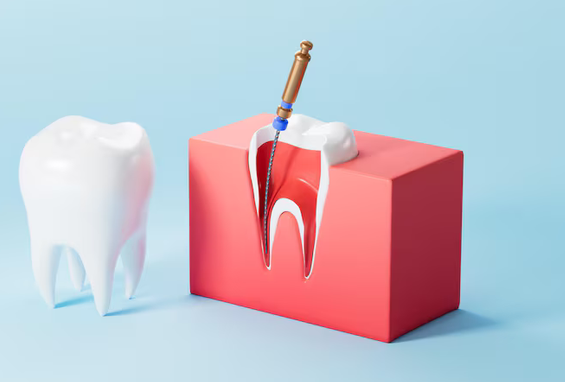
Beneath the hard enamel and dentin lies the pulp, a soft tissue containing nerves and blood vessels that nourish the tooth during development. When decay, a crack, or trauma allows bacteria to reach this inner chamber, infection can set in, leading to swelling, sensitivity, and often significant pain. Removing the infected tissue is the only way to stop the problem from spreading further.
Signs You May Need Treatment
Persistent tooth pain, especially when chewing or applying pressure, is one of the most common signs. Other indicators include prolonged sensitivity to hot or cold that lingers well after the stimulus is removed, swelling in the gums near a specific tooth, or a small pimple-like bump on the gum. Some infections progress with little pain at all, which is why regular checkups matter for catching problems early.
The Treatment Process
After numbing the area, the dentist creates a small opening in the tooth to access the infected pulp. The damaged tissue is carefully removed, and the empty canals are cleaned, shaped, and disinfected. Once clean, the space is filled with a biocompatible material to seal it against future infection. Most teeth also receive a crown afterward to restore strength, since the tooth can become more brittle without its natural pulp.
Is It Painful?
Modern anesthesia and techniques have made root canal treatment far more comfortable than its reputation implies. Most patients report the procedure feels similar to getting a routine filling. Any lingering soreness afterward is typically mild and manageable with over-the-counter pain relievers for a few days.
Recovery and Aftercare
Patients usually return to normal activities the same day, avoiding chewing on the treated side until any temporary restoration is replaced with a permanent crown. Good oral hygiene and regular checkups help protect the treated tooth for years to come.
Choosing the Right Dentist
Selecting an experienced provider matters for comfort and long-term success. Patients researching root canal treatment Bowling Green KY offices provide should feel comfortable asking about sedation options and what to expect during recovery.
Final Thoughts
A root canal often gets an unfair reputation, but the procedure exists to relieve pain and preserve a natural tooth. With modern techniques, most patients find the experience far more manageable than they expected.