
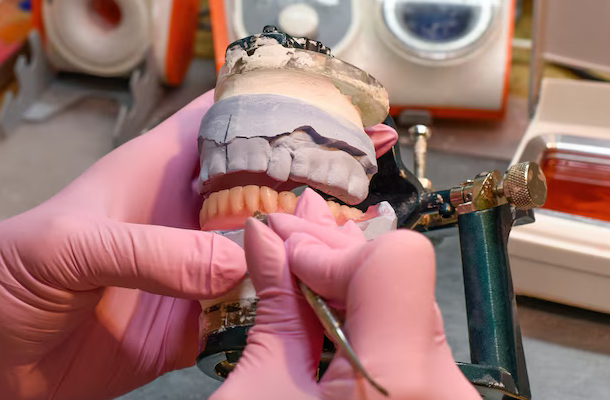
Full Mouth Reconstruction is a comprehensive dental treatment aimed at restoring the health, function, and appearance of all or most of a patient’s teeth. Unlike a single dental procedure, full mouth reconstruction addresses full mouth reconstruction Lafayette LA multiple dental issues simultaneously, creating a balanced, functional, and aesthetically pleasing smile. It is often recommended for patients with severe dental problems caused by decay, trauma, gum disease, or tooth wear.
Why Full Mouth Reconstruction Is Needed
Patients may require full mouth reconstruction for several reasons:
- Severe tooth decay or damage affecting multiple teeth
- Worn or fractured teeth due to grinding or clenching (bruxism)
- Gum disease leading to bone and tooth loss
- Jaw pain or bite misalignment causing difficulty chewing or speaking
- Missing teeth affecting oral function and appearance
Without treatment, these issues can worsen, leading to further tooth loss, pain, and overall decline in oral health.
Procedures Involved
Full mouth reconstruction is highly individualized and may combine multiple treatments:
- Dental crowns and bridges to restore full mouth reconstruction Lafayette LA damaged or missing teeth
- Dental implants to replace lost teeth permanently
- Veneers to improve the appearance of chipped or discolored teeth
- Root canal therapy to treat infected teeth
- Orthodontic treatment to correct misaligned teeth and bite issues
- Periodontal therapy to treat gum disease
Dentists carefully plan the sequence of treatments to ensure optimal function and aesthetics.
Benefits of Full Mouth Reconstruction
- Restores oral function – improves chewing, speaking, and bite alignment
- Enhances appearance – creates a natural, attractive smile
- Prevents further damage – addresses underlying issues that could worsen over time
- Boosts confidence – improves self-esteem and quality of life
Recovery and Maintenance
Recovery varies depending on the full mouth reconstruction procedures in Lafayette LA performed but typically involves short-term discomfort, managed with pain medication and soft foods. Maintaining oral hygiene and attending regular dental check-ups are crucial for long-lasting results